
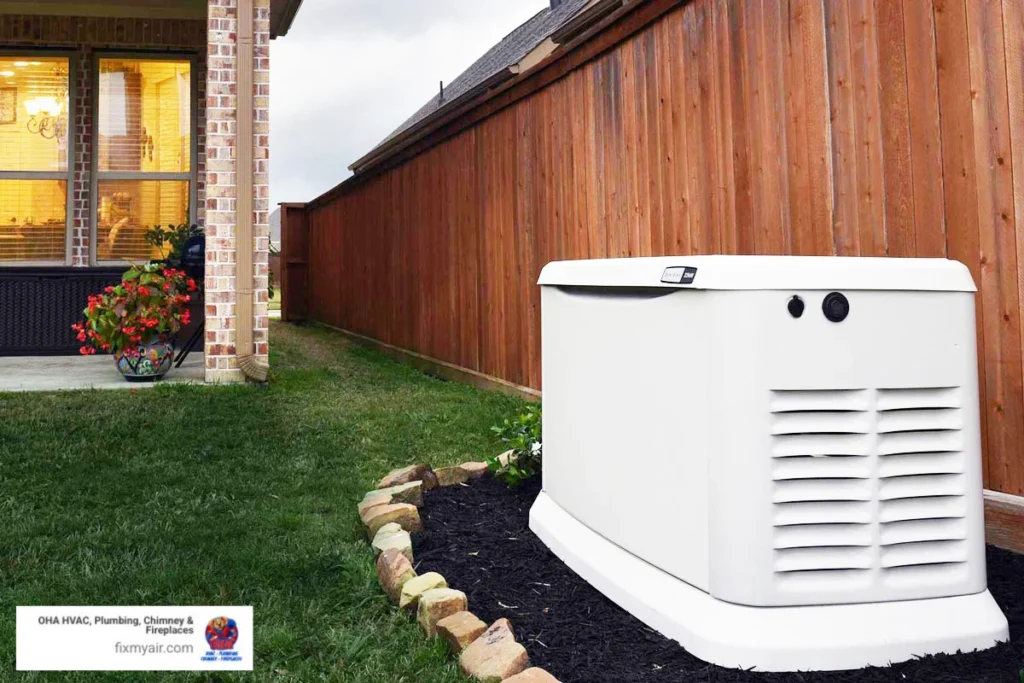
Generator Installation Before Virginia Winter Storms
When a Virginia winter storm cuts the power, a dependable standby generator can keep essential systems running while the temperature drops outside. The best time to plan is well before the forecast turns severe: choose the loads you need to protect, have qualified installers size the generator and fuel supply, select a safe outdoor location, and connect an approved transfer switch. Before relying on it during an outage, test that it starts automatically and delivers power as intended.
For Northern Virginia homeowners, the time to plan home generator services is before an outage. Permits, safe placement, and fuel and electrical work all need attention before the first test run.
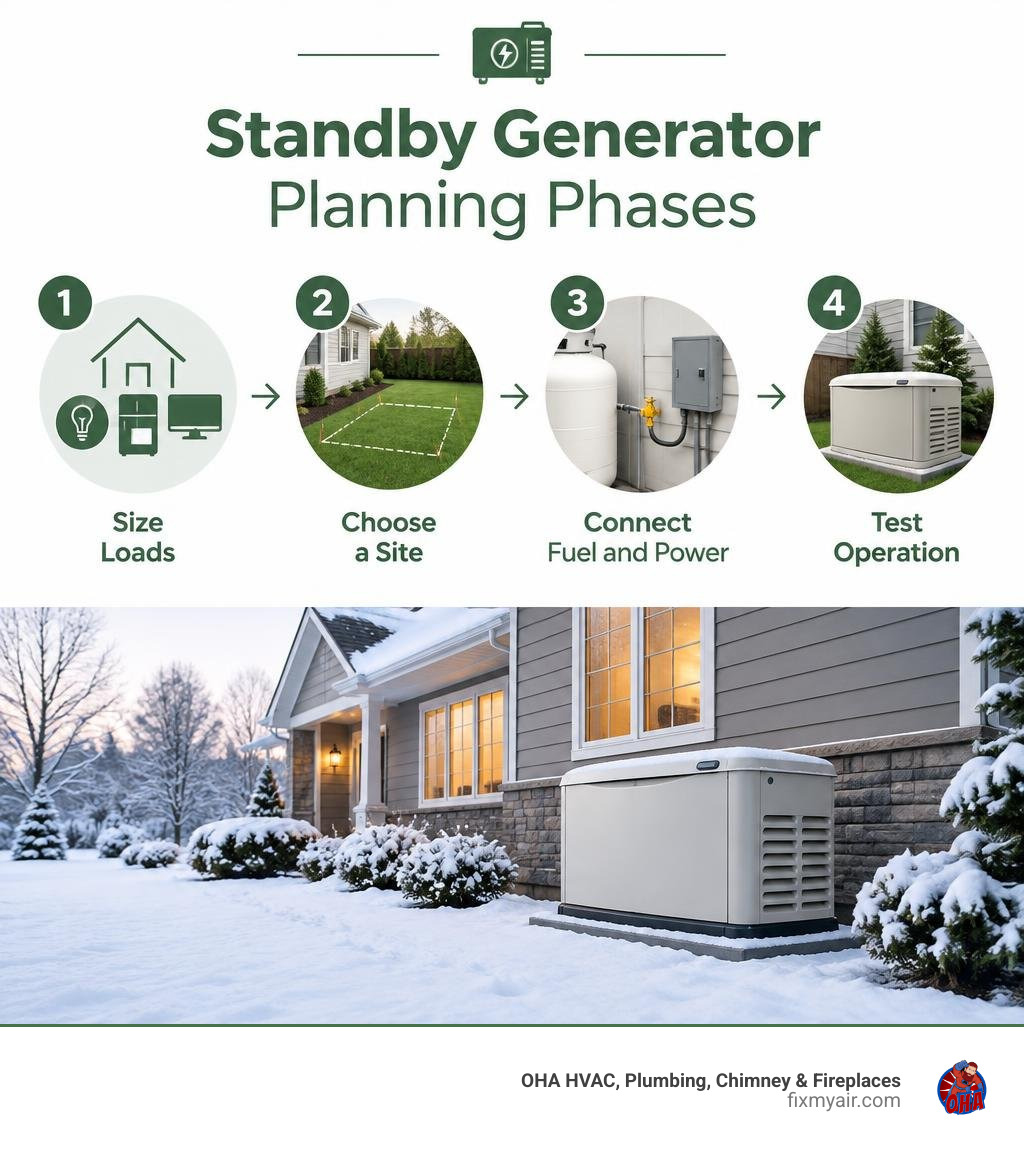
Sizing and System Selection for Whole-Home Backup Power
When severe winter weather rolls across the Mid-Atlantic, freezing rain and heavy snow can bring down utility lines. A professionally installed whole-house standby generator can restore backup power automatically when an outage occurs, helping protect essential home systems without relying on extension cords or manual setup in freezing conditions.
Sizing Whole-Home Electrical Loads
Proper sizing ensures your system handles both the continuous running watts of essential lights and electronics, as well as the demanding starting (surge) watts required by heavy motor-driven equipment.
When evaluating electrical capacity, we calculate the combined load profile:
- HVAC systems: Electric heat pumps, gas furnace blowers, and central AC compressors require massive starting surges (often 3 to 5 times their running wattage).
- Water Management Systems: Submersible well pumps and basement sump pumps are critical during winter thaws and freezing events to prevent frozen pipes or flooded foundations.
- Refrigeration & Cooking: Kitchen refrigerators, deep freezers, electric ranges, and microwaves.
- Lighting and Convenience Circuits: Home office circuits, internet routers, security systems, and living area lighting.
An undersized generator will stall or trip its breaker when heavy loads kick on simultaneously. Conversely, an oversized unit burns excess fuel and operates inefficiently. The right size depends on your home’s load calculation.
Fuel and Electrical Sizing for Reliable Generator Installation
A reliable generator installation requires aligning your power needs with an adequate fuel supply. Whole-home backup generators are not prime power units; they are designed specifically to deliver dependable power during temporary grid failures. For long-term emergency readiness, choosing between natural gas (NG) and liquid propane (LP) dictates how long you can sustain continuous power.
The U.S. Energy Information Administration explains how natural gas is delivered through utility distribution systems. For standby generators, that utility connection can provide a continuous fuel supply. However, natural gas has a lower energy content per cubic foot than propane, which can slightly reduce the maximum kilowatt output rating on some generator engines.
Liquid propane (LP) is a reliable fuel option for residential standby generators, although power output varies by generator model. Unlike natural gas, propane requires an on-site storage tank. Residential generators commonly use 250- to 500-gallon tanks, but the appropriate size depends on generator capacity, expected fuel consumption, weather conditions, and desired backup duration. Depending on the model, an air-cooled standby generator may consume approximately 1 to 2.5 gallons of propane per hour at 50% load. Because propane tanks are typically filled to about 80% of their rated capacity, homeowners should calculate available runtime based on usable fuel rather than total tank size. A properly sized propane system can provide several days of backup power during an extended outage. For additional information about generator capacities, explore our overview of whole-house generators.
Step-by-Step Generator Installation Process for Virginia Homes
Installing a permanent standby generator is a multi-trade project involving precise mechanical positioning, specialized plumbing, and high-voltage electrical work. Following documented manufacturer installation guidelines ensures that your equipment functions reliably when winter storms arrive.
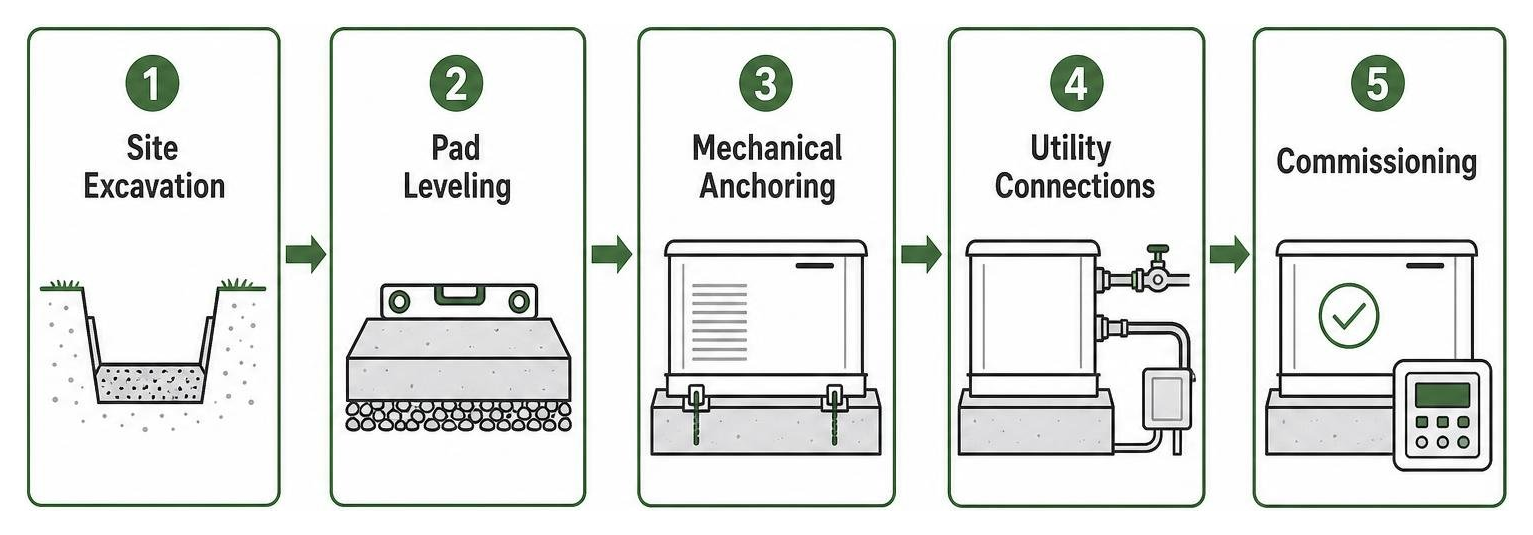
The physical foundation must be rock-solid. Requirements vary by model, so check the manufacturer’s installation manual for your unit. Generators should be placed on a non-combustible surface, such as a reinforced poured concrete slab or a pre-formed composite equipment pad set over compacted pea gravel or crushed stone with a minimum thickness of 5 inches (127 mm). The unit must be level within 0.5 inches (13 mm) all around to ensure internal engine oil flows properly to all critical moving components during continuous multi-day runs.
Site Selection, Clearances, and Carbon Monoxide Safety
Carbon monoxide (CO) is a colorless, odorless gas present in engine exhaust that presents deadly hazards if proper physical clearances are ignored. Site selection must strictly follow National Fire Protection Association (NFPA) standard 37 alongside local municipal building codes and the manufacturer’s installation manual:
- Structure Clearances: The generator must be installed at least 5 ft (1.5 m) away from any window, door, vent, or opening into a structure to prevent exhaust intrusion.
- Combustible Wall Clearances: Maintain at least 5 ft (1.5 m) from combustible walls, unless the unit’s manufacturer enclosure has been specifically fire-tested and approved for a reduced clearance (typically a minimum of 18 in / 457 mm from the rear panel).
- Service & Airflow Clearances: Maintain at least 3 ft (0.91 m) of clear space in front and at both ends of the generator for intake/exhaust airflow and technician service access.
- Overhead Clearances: The area above the unit must have at least 5 ft (1.52 m) of open clearance, clear of roof overhangs, gutters, decks, and low-hanging tree branches.
In addition to outdoor placement, battery-operated carbon monoxide alarms should always be installed inside living areas adjacent to the generator location.
Fuel Line Plumbing and Pressure Verification
Fuel delivery work should be handled by qualified plumbing professionals, who size the system accurately according to total pipe-run distance and fuel demand (BTU/hr). Sizing lines too small leads to severe pressure drops, causing hard starting, engine surging, or unexpected shutoffs when major home appliances cycle on.
Plumbing must adhere to the engineering specifications in the manufacturer’s installation manual and applicable equipment documentation. Requirements vary by model; typical values for many air-cooled units include:
- Natural Gas Pressure: Required fuel pressure must be maintained between 3.5 and 7.0 inches water column (0.87–1.74 kPa) directly at the generator fuel inlet under full operating load.
- Liquid Propane (LP) Pressure: Required LP vapor pressure must sit between 10.0 and 12.0 inches water column (2.49–2.99 kPa) at the inlet.
- Shutoff Valves: A dedicated manual fuel shutoff valve must be installed inline within 6 ft (1.8 m) of the generator fuel inlet for emergency isolation and routine servicing.
- Flexible Connector: A UL-listed flexible fuel line connector must be installed between the rigid supply pipe and the generator intake to isolate engine vibration from the household plumbing lines.
Installers use a digital manometer to record static and dynamic (flowing) fuel pressures, followed by an electronic sniffer or bubble solution to confirm the joints are leak-free.
Electrical Wiring and Automatic Transfer Switch Integration
The Automatic Transfer Switch (ATS) acts as the brain of your backup power system, orchestrating safety and power distribution in accordance with NEC Article 702 (Optional Standby Systems).
The ATS sits between your primary utility electric meter and the main distribution breaker panel:
- Utility Sensing: Under normal conditions, utility power flows straight through the ATS to power your home. The ATS constantly monitors utility voltage.
- Outage Detection & Signal: When utility power drops below acceptable voltage thresholds, the ATS signals the generator’s engine control board to start.
- Backfeed Isolation: The ATS mechanically disconnects the home from the utility grid before closing the contactor to feed generator power to your circuits. This isolation prevents deadly backfeed from traveling onto neighborhood power lines, protecting utility line workers restoring local infrastructure.
- Dedicated Grounding: In compliance with NEC standards, the generator chassis and conductive electrical enclosures must tie into an approved grounding electrode system to reduce shock risks.
Commissioning, Startup, and Exercise Timer Configuration
Once mechanical, gas, and electrical connections are secured, commissioning confirms the system responds properly before harsh winter weather arrives:
- Pre-Start Inspection: Oil levels are checked, shipping brackets are removed, and the 12-volt starting battery is connected (positive terminal first, followed by negative).
- Cold Smart Start & Engine Verification: The unit is test-fired to ensure smooth cold-start ignition, with no abnormal vibration or mechanical noise.
- Voltage and Frequency Tuning: Output is verified with a digital multimeter to confirm stable 120/240-volt single-phase output at a crisp 60 Hz under load.
- Simulated Grid Failure: Technicians pull the utility service disconnect to confirm the ATS senses the outage, starts the generator, transfers the house load within seconds, and then transfers back seamlessly when utility power returns.
- Exercise Cycle Programming: The controller’s automatic exercise cycle is set (e.g., 5 to 12 minutes weekly or bi-weekly). Regular exercising lubricates engine seals, charges the starting battery, and ensures fuel lines stay clear.
Safety Standards, Permits, and Long-Term Maintenance
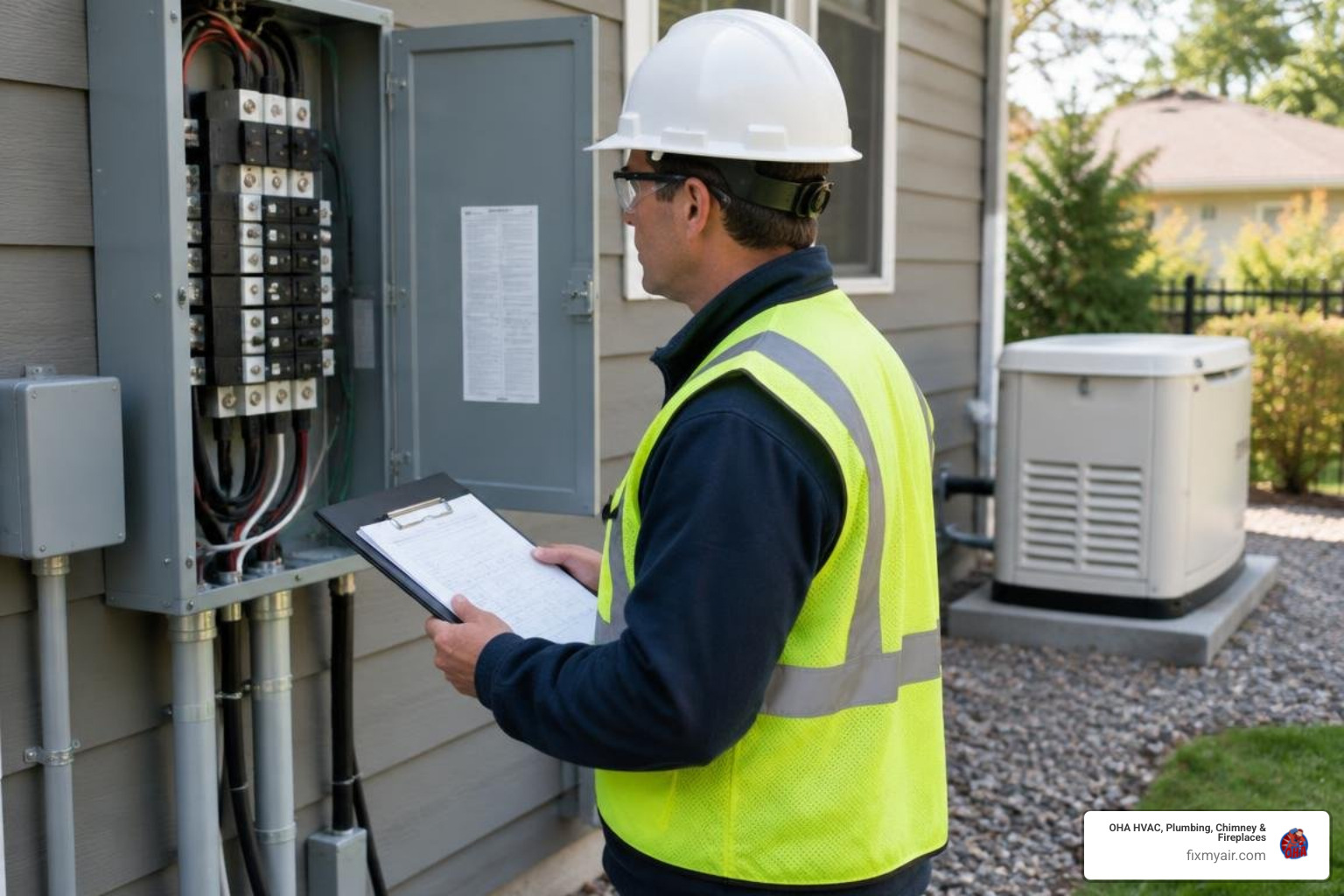
A standby generator installation is not a DIY weekend hobby. It requires adherence to strict electrical, mechanical, and fire protection codes to safeguard lives and preserve homeowner insurance coverage.
Permitting and Regulatory Codes for Generator Installation
Stationary backup generator installations typically require permits, including:
- Electrical Permits: Authorize installation of the transfer switch, subpanels, and high-voltage wiring to ensure adherence to NEC 70 standards.
- Plumbing/Mechanical Permits: Ensure fuel gas lines comply with the International Fuel Gas Code (IFGC) and NFPA 54/58 standards for pipe sizing, venting, and pressure testing.
- Zoning and Property Clearances: Validate property setbacks and verify compliance with local noise ordinances or neighborhood HOA requirements.
Working with licensed contractors across our local service areas helps ensure all paperwork, drawings, and inspections by the local Authority Having Jurisdiction (AHJ) are completely handled from start to finish.
Winter Maintenance and Reliability Checklist
Freezing temperatures present unique challenges for outdoor mechanical engines. A proactive winter checklist helps support reliable starting even in freezing conditions:
- Cold Weather Kits: Install thermostatically controlled oil pan heaters and battery warmers if your area routinely experiences temperatures below freezing.
- Battery Health: Starting batteries typically last 3 to 5 years. Test cold cranking amps (CCA) every autumn to avoid a dead battery when the grid goes down.
- Oil and Filter Replacements: Follow the manufacturer’s recommended oil type and oil and filter change interval.
- Enclosure Clearing: Keep snow drifts, leaves, and ice clear of the intake louvers and exhaust muffler to prevent overheating or automatic engine shutdown.
Frequently Asked Questions About Generator Installation
How far must a standby generator be installed from windows and doors?
Per NFPA 37 and local building codes, stationary generators must be placed at least 5 feet away from any operable window, exterior door, dryer vent, or fresh-air intake. This critical clearance prevents poisonous carbon monoxide exhaust from entering your home’s living spaces.
What fuel pressure is required for natural gas and LP generators?
Many air-cooled natural gas generators require an operating pressure of 3.5 to 7.0 inches water column (in. w.c.) at the fuel inlet. Liquid propane (LP) systems require higher pressure, typically between 10.0 and 12.0 inches water column. A professional plumber will verify both static and dynamic flowing pressures with a manometer.
How long does a whole-home generator installation take?
The physical mounting, fuel plumbing, and electrical wiring typically take 1 to 2 days of work on-site. However, the total project timeline, including local permit applications, utility gas meter upgrades, and final municipal code inspections, usually spans 2 to 4 weeks.
Conclusion
Winter storms in Virginia can leave neighborhoods without heat, light, and running water for days. Investing in a professionally installed standby generator gives your family dependable backup power when the grid goes down.
At OHA HVAC, Plumbing, Chimney & Fireplaces, our background-checked team provides upfront pricing and 24/7 emergency support. We take pride in earning a 4.9-star average across more than 5,000 Google reviews while delivering dependable craftsmanship that helps keep homes safe and warm. To discuss your backup-power needs, contact our professional generator installation technicians.
Need Help With HVAC, Plumbing, Chimney, or Fireplace Service?
OHA is available 24/7 across Fredericksburg, Fairfax, and Northern Virginia.