When Is Emergency Heating Repair Necessary in Northern Virginia?
A heating problem during a Northern Virginia cold snap can quickly become serious. The correct response depends on whether the issue presents an immediate safety risk or requires prompt professional service.
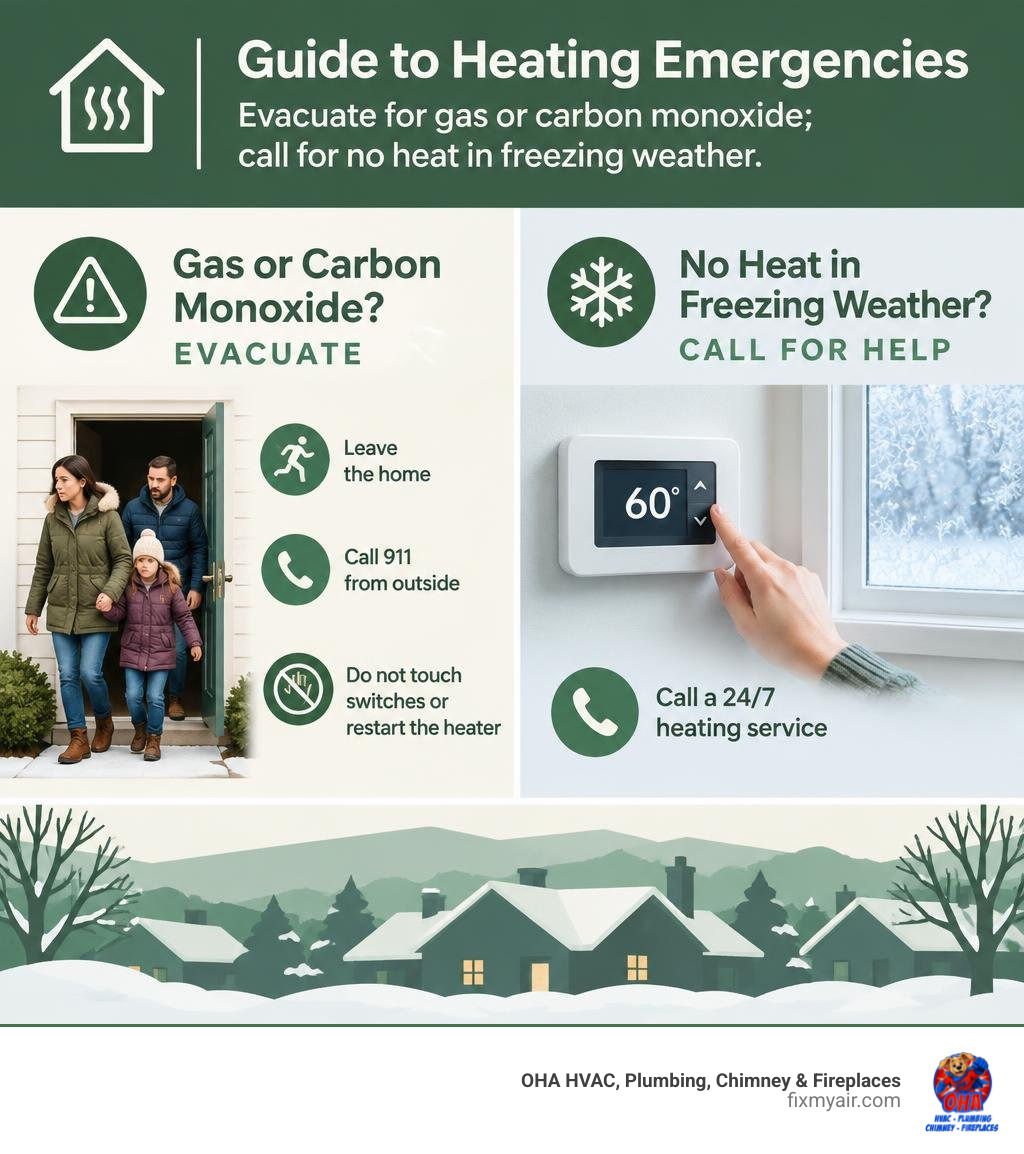
Call for emergency heating repair in Northern Virginia if your home has no heat during freezing weather, your carbon monoxide alarm sounds, you smell gas, or you notice smoke or sparking near the system. Gas smells and carbon monoxide alarms come first: leave the home, call 911 from outside, and do not touch switches or try to restart the heater.
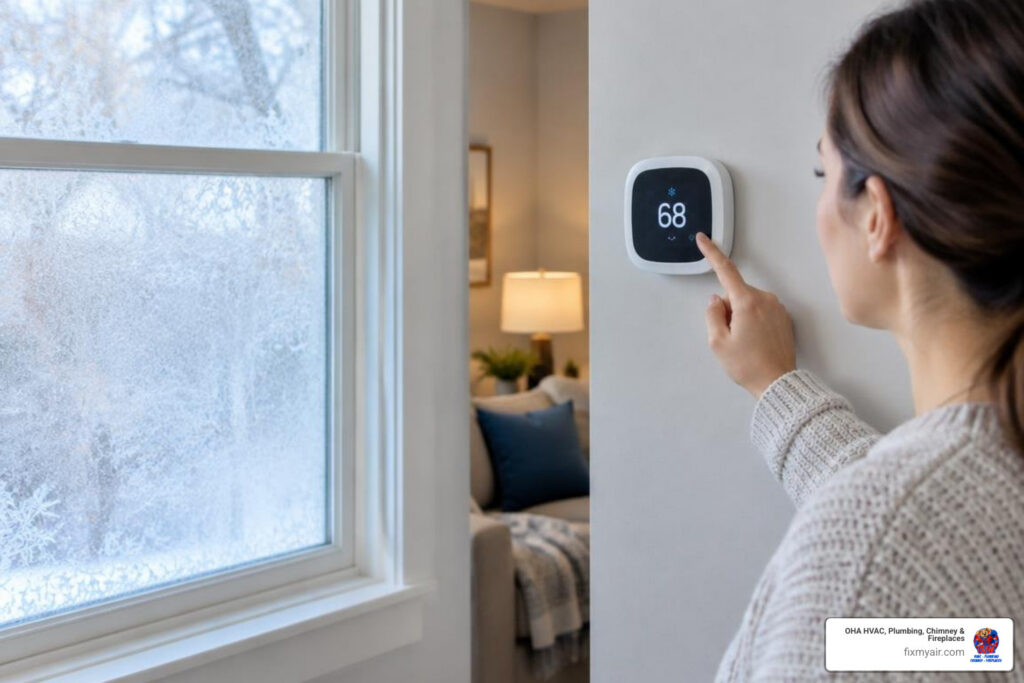
If there is no immediate safety hazard, check the thermostat setting and circuit breaker once. If the system still will not run, arrange service promptly when indoor temperatures are falling or pipes may freeze. The U.S. Department of Energy recommends using thermostat setbacks when appropriate, but that strategy only works when your system is operating safely.
Critical Signs You Need Emergency Heating Repair in Northern Virginia
Winter in Northern Virginia brings unpredictable weather, shifting rapidly from mild afternoons to sub-freezing cold snaps and sudden ice storms. When temperatures plummet, your heating system works overtime to keep your household safe and comfortable. Demand for heating service often rises during prolonged cold weather, when systems run longer and minor problems can become more noticeable.
Not every furnace hiccup requires an urgent middle-of-the-night dispatch, but certain warning signs mean you cannot afford to wait until morning. Knowing whether to call for immediate help or schedule standard heating repair protects your property from severe structural damage like burst pipes while shielding your loved ones from dangerous health hazards.
| Condition | Priority | Next Step |
|---|---|---|
| Immediate life-safety concern | Leave the home | Contact 911 or the utility from a safe location |
| Heating outage in freezing weather | Urgent | Make one thermostat and breaker check, then arrange service |
| Electrical fault or severe mechanical noise | Urgent | Shut the system down and request prompt evaluation |
| Comfort or airflow issue without a safety risk | Routine | Schedule a standard repair or maintenance visit |
Total Loss of Heat During Severe Cold Snaps
A furnace that suddenly stops producing warm air can quickly create a property-protection problem during severe cold. As indoor temperatures fall, exposed plumbing in exterior walls, basements, and crawl spaces becomes more vulnerable to freezing and water damage. A total loss of heat may stem from several issues, including thermostat, ignition, airflow, or equipment problems, so a qualified technician should diagnose the cause rather than relying on a guess.
When your indoor climate drops below freezing, your plumbing faces an immediate threat. Water lines running through exterior walls, basements, and unheated crawl spaces can freeze, expand, and rupture within just a few hours. If your equipment goes dark during an Arctic blast, getting prompt furnace and AC repair in Fairfax VA is essential to stabilize your home before secondary property damage occurs.
Gas Smells, Carbon Monoxide Alerts, and Electrical Hazards
Gas odors, carbon monoxide alarms, and electrical warning signs require a different response because they can signal immediate threats to people and property. Utilities add a sulfur-like odorant to natural gas so leaks can be detected. A gas leak can ignite, carbon monoxide can accumulate without a visible warning, and damaged electrical components can overheat or arc.
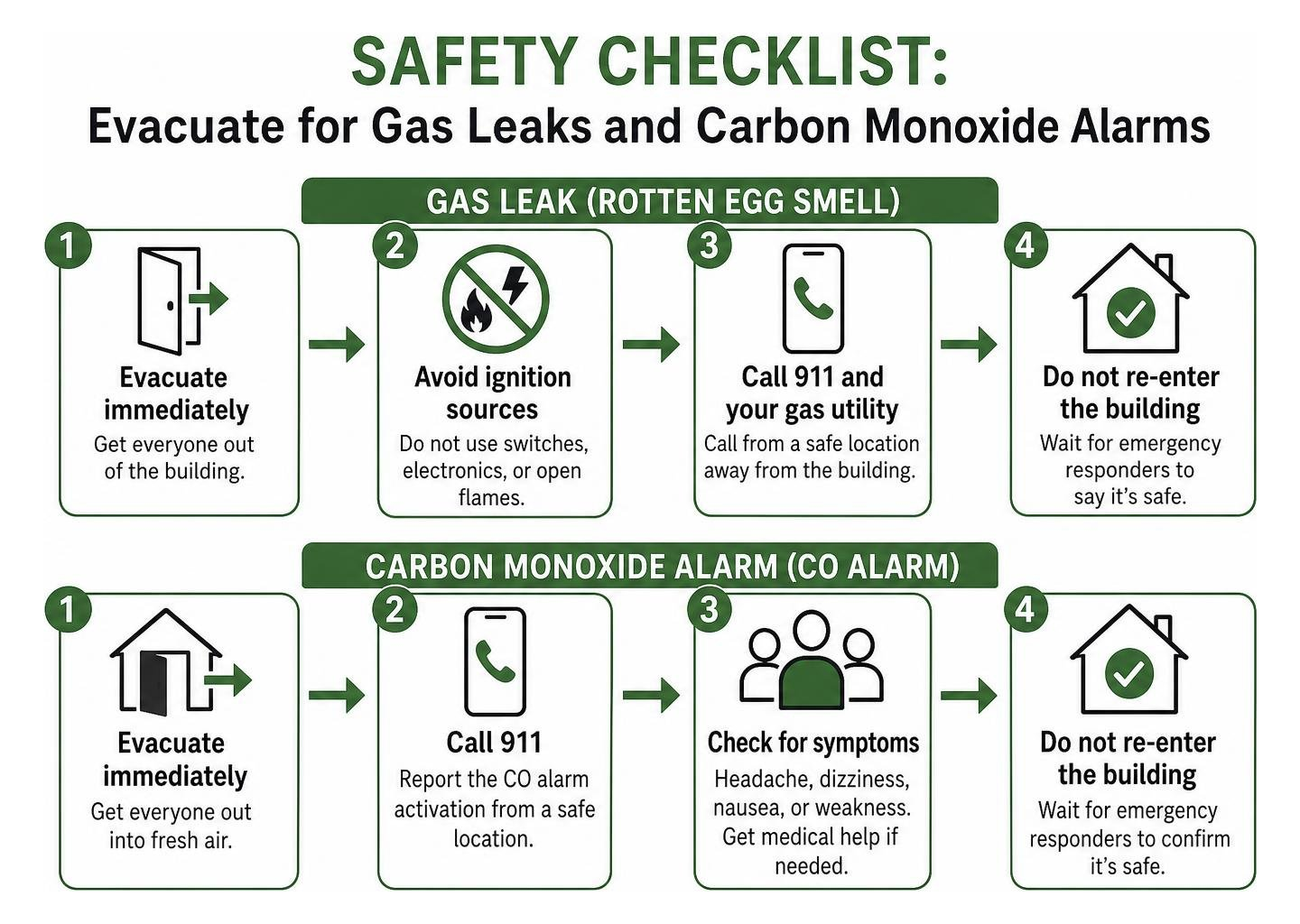
Carbon monoxide is especially dangerous because it has no color or odor. A cracked heat exchanger or damaged flue can allow combustion byproducts into indoor air, which is why an active carbon monoxide alarm should never be dismissed. Other visible or audible changes can also help explain the risk:
- CO detector activation: This may indicate unsafe combustion gases inside the home.
- Discolored burner flames: Yellow, orange, or unstable flames can point to incomplete combustion that needs professional evaluation.
- Electrical buzzing or acrid odors: These may indicate arcing, overheating wiring, or a failing blower component that could worsen if the system keeps running.
- Water near the heating equipment: Note where the moisture appears and report it to the technician. It may signal a plumbing issue that needs boiler repair in Chantilly VA.
Step-by-Step Safety Actions to Take While Awaiting Help
Once you have contacted the appropriate emergency service or HVAC provider, use the waiting period to protect occupants, reduce avoidable damage, and prepare clear information for the technician.
Immediate Safety Protocols Before the Technician Arrives
If it is safe to remain at home while you wait for service, take only basic steps that do not require opening equipment panels or attempting repairs:
- Keep the area clear: Move stored items, pets, and children away from the heating equipment.
- Record what happened: Note unusual sounds, odors, error messages, thermostat settings, and when the problem began.
- Make access easy: Clear a path to the furnace, air handler, thermostat, and electrical panel so the technician can inspect the system efficiently.
- Avoid DIY repairs: Do not remove access panels, relight equipment, or reset the system repeatedly. Repeated restarts can obscure the original symptom or worsen a mechanical problem.
Temporary Heating Solutions to Protect Pipes and Family
If there is no safety hazard and the home is awaiting HVAC service, focus on conserving warmth and protecting plumbing:
- Maintain water movement: Let faucets on exterior walls run at a small, steady trickle.
- Open under-sink cabinets: This allows warmer room air to circulate around pipes.
- Consolidate living space: Use a central interior room and close doors to unused areas.
- Use space heaters carefully: Place electric units on stable, hard surfaces away from combustible materials, and never leave them unattended or connect them to extension cords.
- Avoid improvised heat sources: Do not use outdoor propane heaters, charcoal grills, or gas ovens indoors.
Understanding how your auxiliary equipment integrates with your central setup helps maintain stability across your home’s various heating and cooling systems during harsh conditions.
Costs, Timelines, and Choosing a 24/7 Contractor
Choosing the right emergency provider is less about a promised arrival estimate and more about clear communication, proper credentials, and a written explanation of the recommended work.

What to Expect from an Emergency Service Visit
Emergency heating repairs can range from a straightforward adjustment to work involving a major system component. Before authorizing repairs, ask the contractor to explain the diagnosis, identify the component involved, outline the recommended repair, and distinguish immediate safety work from maintenance that can be scheduled later.
Before booking, confirm that the provider serves your address, can work on your system type, and will explain any diagnostic charge and authorization process before work begins. Have the equipment model, thermostat message, and a short timeline of the problem ready. This helps the technician arrive prepared and gives you a clearer basis for comparing providers.
When you need dependable, comprehensive HVAC repair, choose a provider that explains the recommended work clearly and obtains approval before beginning repairs. A written scope of work makes it easier to understand what is being addressed now and what can wait.
Local Codes and Utility Emergency Procedures in Northern VA
Emergency heating interventions must follow municipal safety guidelines established across Northern Virginia counties such as Fairfax, Loudoun, Prince William, and Arlington:
- Utility Gas Shut-Offs: If Washington Gas or Columbia Gas of Virginia responds to a suspected gas leak, their crews will red-tag and lock out your meter or appliance valve until a licensed technician repairs the system and certifies it safe.
- Permit Protocols for Equipment: Full equipment replacements performed after an emergency must be permitted and inspected according to local building codes. Ask your contractor whether a permit applies to smaller repairs.
- Combustion Air Clearances: High-efficiency furnaces venting through PVC sidewall pipes must remain clear of drifting snow and ice dams to prevent automatic safety lockouts.
Whether you need quick component testing or certified furnace and AC repair in Chantilly VA, partnering with licensed professionals helps ensure repairs meet Virginia mechanical code requirements.
For broader household infrastructure support, choosing a full-service provider that manages comprehensive HVAC services alongside plumbing and chimney venting ensures all interconnected safety systems receive expert care during a winter crisis.
Preventing Winter Breakdowns: Repair vs. Replacement
Older heating systems can be more prone to breakdowns because wear accumulates in motors, ignition components, electrical connections, and heat-transfer parts. Age alone does not determine whether repair or replacement is appropriate, but it is an important factor in the decision.
Proactive maintenance can reduce the chance that minor performance issues go unnoticed before freezing weather arrives. During an annual tune-up, technicians may clean combustion chambers, test electrical amp draws, check safety switches, and inspect the heat exchanger.
If your older furnace experiences a major mechanical failure, evaluate whether an emergency fix makes long-term financial sense. Compare the condition and expected remaining service life of the equipment with the scope of the repair. If the system has a history of breakdowns, needs a major component, or no longer meets your comfort needs, ask the contractor to present repair and replacement options side by side. Reviewing clear guidelines for HVAC repair vs replace decisions gives you confidence when weighing emergency repairs against a planned system upgrade. For help throughout the region, view the Northern Virginia communities we serve.
Frequently Asked Questions About Northern Virginia Heating Emergencies
What should I keep after a heating service visit?
Save the diagnosis, invoice, and warranty details with your home records. If the technician identifies non-urgent maintenance, schedule it while the findings are still current.
Should I turn off my furnace if it is making loud noises?
Turn the system off if you hear grinding, banging, repeated clicking, or other severe mechanical noise, especially if it is accompanied by a burning smell or visible smoke. Note the sound and when it occurs, then share that information with the technician. Avoid restarting the equipment repeatedly, because doing so can worsen a failing component.
What information should I have ready when I call for heating repair?
Have your address, system type, thermostat message or error code, and a brief description of the problem ready. It also helps to explain whether the system is completely off, running without warm air, cycling on and off, or making unusual sounds. These details help the provider assess the situation and arrive prepared.
How do I choose an emergency heating repair company?
Choose a licensed provider that serves your location, works on your type of heating equipment, and explains its diagnostic process before work begins. Ask how the technician will communicate the diagnosis, recommended repair, and authorization steps. Clear answers make it easier to compare providers and understand which work is needed immediately.
Conclusion
A clear diagnosis and timely professional service can help restore reliable heat and give homeowners a practical plan for any follow-up repairs or maintenance.
At OHA HVAC, Plumbing, Chimney & Fireplaces, we understand what it takes to protect local households from freezing temperatures. As a veteran-founded, family-run company, we stand behind our expert technicians, honest upfront pricing, and dedicated 24/7 emergency response. Homeowners across our community rely on our commitment to quality, backed by a 4.9-star average across more than 5,000 Google reviews. When freezing weather threatens your home’s comfort, contact our professional emergency heating repair technicians directly to restore safe, dependable heat to your home.
Need Help With HVAC, Plumbing, Chimney, or Fireplace Service?
OHA is available 24/7 across Fredericksburg, Fairfax, and Northern Virginia.