Does Your Gas Fireplace Need an Annual Inspection?
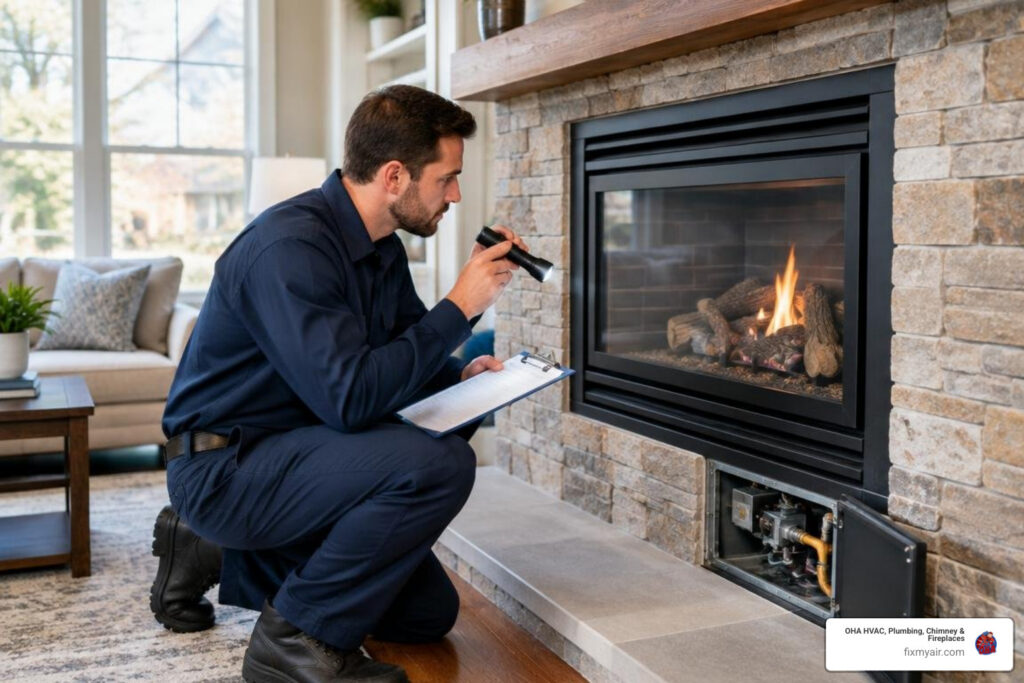
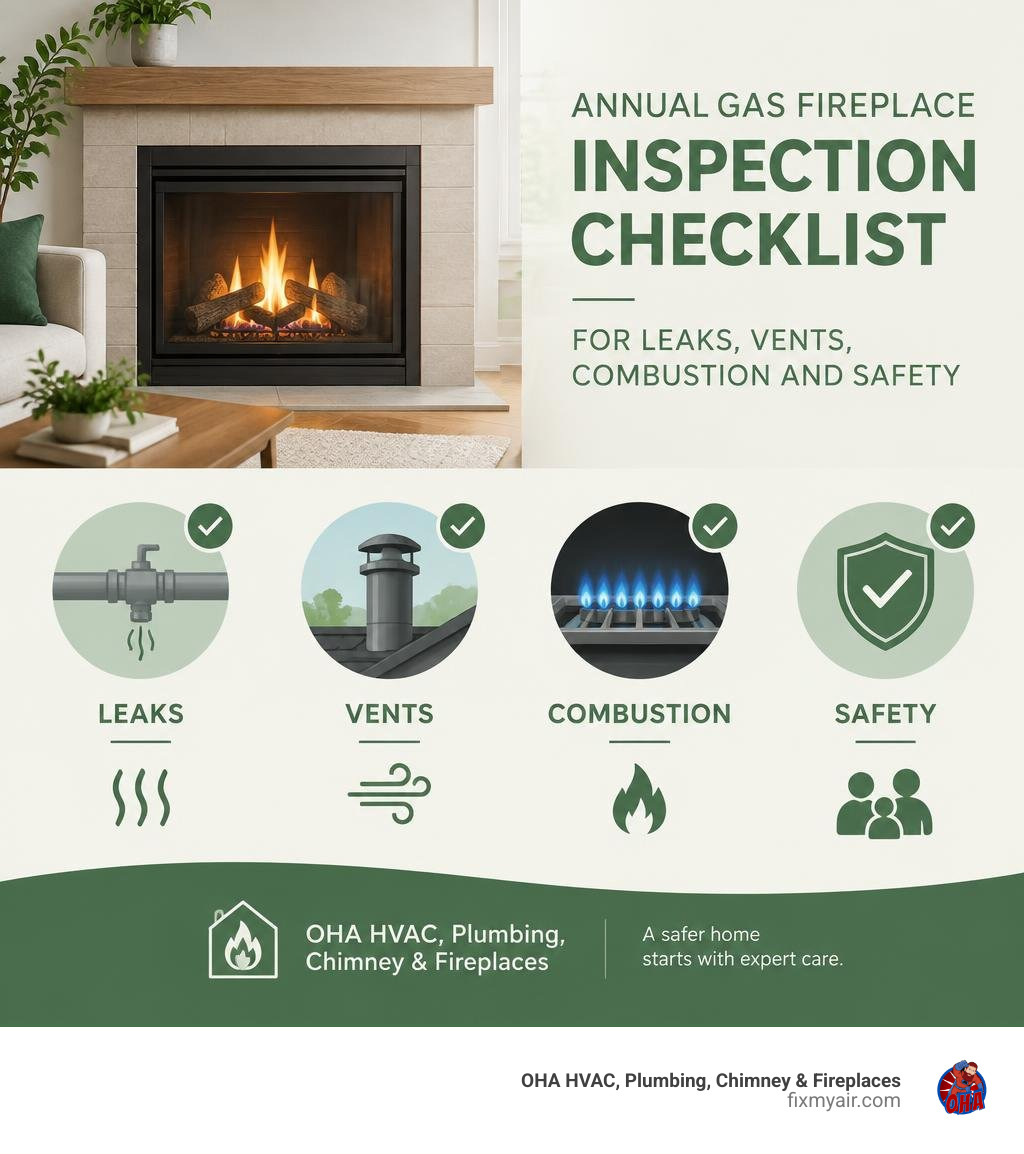
Yes. Schedule a professional gas fireplace inspection once a year, ideally before the heating season begins. A technician can check for gas leaks, blocked vents, worn seals, unsafe burner operation, and carbon monoxide risks that are easy to miss during normal use.
Gas fireplaces burn cleaner than wood, but they are not maintenance-free. Dust, soot, damaged gaskets, misplaced logs, failing ignition parts, and blocked vent terminals can affect combustion or allow exhaust gases where they do not belong. In 2021, gas heating systems and devices were linked to an estimated 39 carbon monoxide deaths in the U.S.
Annual service also helps protect against a more visible risk: fireplace glass can exceed 500 degrees F during operation. Keep the safety screen in place and supervise children near an active unit.
If you notice a gas smell, yellow or lazy flames, soot on the glass, trouble starting the fireplace, or headaches and dizziness while it runs, turn the unit off, leave the area if you feel unwell, and arrange service promptly.
Why Gas Fireplaces Require Annual Professional Service
Many homeowners assume that switching from traditional cordwood to natural gas or propane eliminates the need for routine evaluations. After all, there is no ash to shovel and no thick creosote building up along masonry chimney walls. However, gas appliances are not maintenance-free.
Gas combustion relies on an exact balance of fuel and oxygen. When a system operates under ideal conditions, it produces clean heat, water vapor, and carbon dioxide. But when dust, pet dander, or spider webs restrict airflow across the primary air shutters, incomplete combustion can occur. This can create carbon monoxide (CO), a colorless, odorless, and potentially lethal gas, alongside fine carbon soot that can settle on decorative ceramic logs and internal components.

Beyond air-to-fuel ratios, mechanical wear is inevitable over years of operation:
- Flame discoloration and burner ports: Healthy gas flames should display strong blue bases with lively yellow tips. Dull, sluggish, or entirely orange flames can indicate improper oxygen mixing or clogged burner orifices.
- Degraded glass gaskets: The perimeter gasket sealing the ceramic glass assembly to the firebox helps prevent flue gases from entering your living space. Over time, thermal cycles can cause these fiberglass gaskets to harden, crack, or pull away.
- Failing safety controls: Thermocouples and thermopiles generate small millivolt electrical currents to keep gas safety valves open when a pilot flame is confirmed. As they degrade, you may experience random shutoffs, ignition failures, or delayed burner ignition.
When a fireplace begins showing warning signs, timely gas fireplace repair can help address ignition trouble, soot buildup, and performance concerns before they become more disruptive.
Routine care also includes keeping the appliance and its surrounding components clean. Proper fireplace cleaning helps reduce dust and debris that can scorch on burner trays or affect the appearance of the glass and logs.
Differences Between Vented and Ventless Units
Inspection priorities shift significantly depending on whether your home features a vented or ventless, also called vent-free, appliance.
Direct-vent systems: These units use a sealed combustion design. A coaxial or colinear pipe draws combustion air from outdoors through one channel while venting exhaust products through another. During an inspection, the integrity of the balanced flue and the glass gasket seal are important because a breach can allow room-air dilution or exhaust leakage.
Ventless systems: Vent-free units discharge exhaust gases directly into the room where they are installed. Because they have no chimney or flue pipe, they must burn efficiently. Inspections for ventless fireplaces focus heavily on the oxygen depletion sensor (ODS), a specialized safety pilot that automatically cuts off fuel flow if room oxygen levels drop too low.
Technicians also evaluate room volume to verify that the installation meets local combustion-air requirements. Vent-free fireplaces can add moisture to indoor air, so inspections should include checks for condensation, mildew, and soot on nearby walls.
What to Expect During a Professional Gas Fireplace Inspection
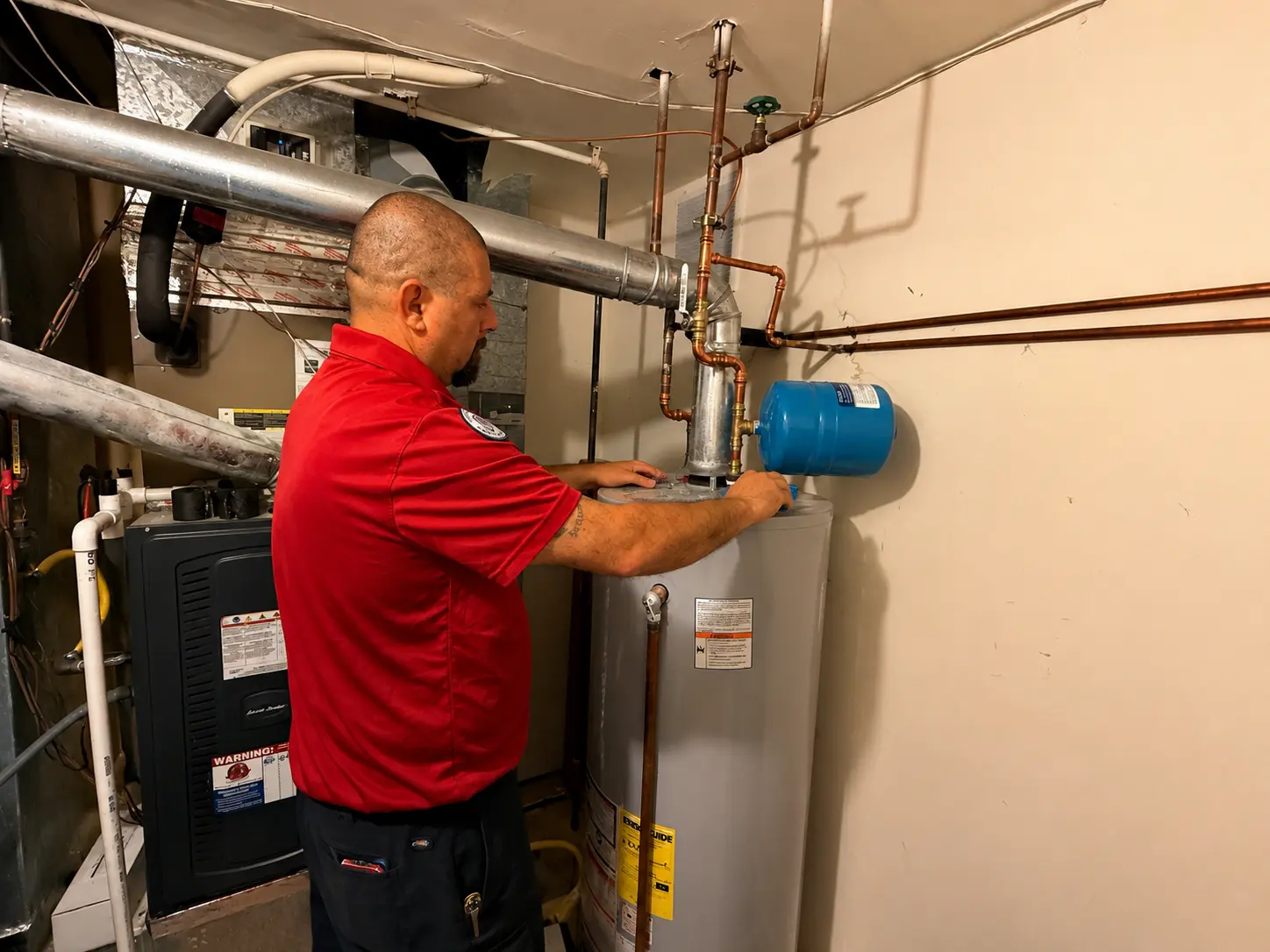
A comprehensive inspection is a systematic evaluation of your appliance’s electrical, mechanical, fuel, and venting systems. Our certified team follows a careful process designed to identify safety concerns and performance issues.
First, technicians perform combustible-gas leak detection across the supply line, shutoff valve, flexible connector, and main control valve using appropriate testing equipment. Any suspected leak should be confirmed and repaired before the appliance is used again.
Next, the team evaluates the appliance’s operation and key safety components:
- Run-time and combustion verification: After the unit reaches normal operating temperature, technicians assess flame quality, ignition, venting behavior, and potential exhaust leakage.
- Burner media and log alignment: Decorative ceramic-fiber logs must sit in their factory-specified positions. A shifted log can disrupt the flame path and lead to excessive soot formation.
- Exterior vent termination inspection: The outdoor termination cap is checked for damage, corrosion, and blockages from nests, insects, or debris. An obstructed vent can interfere with safe exhaust flow.
- Code compliance and clearances: The installation is reviewed against applicable manufacturer instructions and local requirements, including mantel clearances, noncombustible surfaces, and safe electrical routing.
For gas inserts installed in an existing masonry chimney, chimney sweep and repair services can help ensure that the chimney structure and accessible venting components remain safe, weather-tight, and ready for use.
Choose a provider with qualified fireplace and chimney technicians who understand fuel pressures, ignition controls, venting requirements, and appliance-specific service procedures.
NFPA 211 Levels of Gas Fireplace Inspection
The National Fire Protection Association (NFPA) publishes NFPA 211, Standard for Chimneys, Fireplaces, Vents, and Solid Fuel-Burning Appliances, which establishes three inspection levels:
| NFPA 211 Level | When It Is Required | Inspection Scope & Procedures |
|---|---|---|
| Level 1 | Routine annual maintenance with no changes to the system or fuel type. | Readily accessible portions of the fireplace, burner, controls, and attached venting, plus verification of clearances and draft. |
| Level 2 | Property sale or transfer; following a chimney fire, earthquake, or weather event; system replacement or fuel conversion. | All Level 1 items plus accessible attics, basements, crawl spaces, and a video scan of internal flue passages and liners when appropriate. |
| Level 3 | When a Level 1 or Level 2 inspection identifies a suspected hidden hazard that cannot otherwise be evaluated. | An invasive evaluation that may require partial removal of drywall, mantels, chimney caps, or masonry to access concealed components. |
Most annual service appointments involve a standard Level 1 evaluation. If you are buying or selling a home, or upgrading from an older decorative burner to a high-efficiency insert, a more detailed inspection may be appropriate.
Planning and Preparing for Your Service Visit
A smooth service appointment requires minimal effort on your part, but a few simple preparation steps make a significant difference:
- Clear the fireplace perimeter: Maintain at least a three-foot clear zone around the hearth. Move furniture, rugs, holiday decorations, and delicate mantel items so the technician can work safely.
- Turn off the appliance: Shut down the fireplace, including any standing pilot light, at least two to three hours before your appointment. Fireplace glass and internal metal baffles can reach temperatures above 500 degrees Fahrenheit and need time to cool.
- Locate documentation and shutoffs: Have the user manual, model number, and serial number available if possible. Identify the main gas shutoff valve in case line isolation is needed during testing.
Practical Off-Season Management
If your fireplace uses a continuous standing pilot rather than an intermittent pilot ignition (IPI), consider turning the pilot off during warm spring and summer months. This can reduce unnecessary fuel use and heat buildup in your living room.
Carbon Monoxide Safety and Regulatory Responsibilities
Every home with a gas-burning appliance or an attached garage should have working carbon monoxide alarms. Carbon monoxide detectors have a limited service life, so replace units according to the manufacturer expiration date shown on the device, even if the battery test button still works.
Homeowners should report unusual odors, soot, ignition problems, or changing flame patterns promptly. Consistent seasonal service helps protect indoor air quality and supports safe operation throughout the heating season.
Scheduling gas fireplace services before colder weather gives the team time to inspect the appliance, clean key components, and address needed repairs before you rely on it for warmth.
Frequently Asked Questions About Gas Fireplace Maintenance
How often should a gas fireplace be serviced?
A gas fireplace should be professionally serviced at least once per year, ideally in late summer or early fall before you turn the system on for the cold season. Scheduling early can help you avoid seasonal contractor backlogs and allow time for any needed parts or repairs.
If your gas fireplace serves as your home’s primary heat source and runs for multiple hours every day, a quick mid-season check of the burner ports and glass gasket can also be helpful. Maintaining an annual service record can support manufacturer warranty requirements and help keep the appliance operating efficiently.
How do I know if my gas fireplace is leaking exhaust or carbon monoxide?
Carbon monoxide is invisible and odorless, but operational warning signs and installation indicators can signal exhaust spillage:
- Sulfur or rotten-egg odors: Natural gas and propane suppliers add mercaptan to the fuel supply. A persistent sulfur smell can indicate a raw-fuel leak.
- Excessive moisture and fogging: Light condensation can be normal for the first few minutes after lighting a cold direct-vent fireplace. Heavy moisture on room windows or walls can indicate excessive indoor humidity or a venting concern.
- Soot accumulation: Heavy black carbon buildup on the glass panel, ceramic logs, or mantel can point to incomplete combustion.
- Physical symptoms: Unexplained headaches, dizziness, nausea, eye irritation, or sudden fatigue while the fireplace runs can indicate possible carbon monoxide exposure.
If you smell gas or suspect exhaust leakage, do not operate light switches, appliances, or landlines, because even a small electrical spark can ignite airborne gas. Evacuate the home immediately with all family members and pets. Once you are safely outside and down the street, call 911 and your local gas utility. After emergency responders have secured the gas supply and cleared the property for reentry, contact our HVAC team to assess the fireplace and complete any needed repairs.
Can a homeowner inspect and clean their own gas fireplace?
Homeowners can handle basic exterior care, such as dusting metal louvers and cleaning the inside of the glass with an approved, non-ammonia fireplace glass cleaner. Complete system inspections, however, require professional tools and technical expertise.
Ceramic logs can become brittle after repeated exposure to heat and may crumble if handled incorrectly. Professional technicians use specialized equipment to evaluate gas pressure, detect leaks, test safety controls, and assess vent integrity.
Keep Your Hearth Safe and Warm
A gas fireplace brings comfort, instant warmth, and timeless ambiance to your home, but it remains a fuel-burning heating appliance that needs regular care. Annual inspections can identify gas leaks, potential carbon monoxide concerns, worn safety components, and other issues before they compromise performance or safety.
At OHA HVAC, Plumbing, Chimney & Fireplaces, our team delivers dependable home safety through veteran-founded, family-run values. Our licensed, background-checked technicians provide upfront recommendations, 24/7 emergency support, and high-quality workmanship backed by a 4.9-star average across more than 5,000 Google reviews across Northern Virginia.
Whether you need a seasonal safety check, diagnostic repairs, or ongoing maintenance, contact our professional gas fireplace technicians to schedule service and enjoy greater peace of mind all winter long.
Need Help With HVAC, Plumbing, Chimney, or Fireplace Service?
OHA is available 24/7 across Fredericksburg, Fairfax, and Northern Virginia.