Understanding Indoor Air Quality in Fredericksburg VA: Seasonal Challenges
Improving indoor air quality in Fredericksburg VA this fall starts with three practical steps: upgrade your HVAC filter to a pleated MERV 8–11 model, keep indoor humidity between 35% and 50%, and consider active whole-home air purification. These measures directly reduce the allergens and irritants that become trapped once heating season begins.
As the vibrant autumn foliage settles along the Rappahannock River, Fredericksburg experiences a dramatic environmental shift. While fall brings welcome relief from the sweltering heat, it introduces a unique set of challenges for the air inside our living spaces.
Fredericksburg sits in a river basin known for lingering humidity during the transitional months. When high moisture levels clash with dropping night temperatures, condensation builds up around window sills, crawl spaces, and basements. This dampness creates an ideal breeding ground for mold spores and dust mites, common allergy triggers.
At the same time, late-season ragweed, weed pollens, and decaying leaf mold are carried on crisp autumn breezes. When we open our windows to enjoy the cool air, these fine particles drift indoors and settle into upholstery, rugs, and ductwork.
Another major factor is our local architecture. From downtown brownstones to established neighborhoods across the region, many properties feature older construction. While full of character, older houses often have unsealed crawlspaces, aging duct networks, and settling foundations that draw particulate matter directly into living areas. We frequently see these ventilation and filtration hurdles when serving historic homes across the Fredericksburg VA service area.
Health Risks of Poor Indoor Air Quality in Fredericksburg VA Homes
When irritants remain trapped inside a tightly closed home, they do more than create light dusting chores. Breathing stale, contaminated air day after day places continuous strain on your respiratory system.
Short-term exposure to airborne contaminants often causes eye irritation, sinus headaches, scratchy throats, persistent sneezing, and morning congestion. For household members managing asthma or chronic bronchitis, poor indoor air can trigger frequent flare-ups, disrupted sleep, and prolonged recovery times from routine seasonal bugs.
Longer-term risks are even more serious. Radon, an invisible, odorless radioactive gas released from decaying uranium in local rock and soil, seeps inside through foundation cracks, sump pumps, and floor joints. According to the United States Environmental Protection Agency, radon represents a leading cause of lung cancer among non-smokers, and elevated levels are regularly identified in Virginia homes.
Because many indoor air symptoms mirror early seasonal colds, homeowners often misdiagnose the root cause of their discomfort:
| Symptom / Indicator | Seasonal Viral Cold | Indoor Air Pollution Reaction |
|---|---|---|
| Fever or Body Aches | Common during initial days | Not typical |
| Onset Pattern | Develops gradually, peaks, resolves in 7–10 days | Chronic; worsens when indoors, improves away from home |
| Itchy, Watery Eyes | Rare | Very common |
| Triggers | Viral exposure | Dusting, turning on heat, high indoor humidity |
| Sinus Congestion | Accompanied by thick mucus | Persistent dry congestion, sneezing, tickling cough |
This is a general guide, not medical advice. If several people in the home have headaches, dizziness, or nausea when the heat is running, leave the home and call 911, as these can be signs of carbon monoxide.
Why Heating Season Demands Focus on Indoor Air Quality in Fredericksburg VA
During the warmer months, natural building draft and open doors provide occasional fresh air exchanges. Once temperatures plummet in late autumn, we seal our homes tight to retain heat. This locked building envelope prevents fresh outdoor air from diluting indoor contaminants.
The moment you switch your thermostat to heat mode for the first time, months of accumulated dander, hair, insect debris, and fine dust resting on your heat exchanger get baked. That familiar “burning dust” odor indicates that these settled particulates are actively circulating through your supply registers.
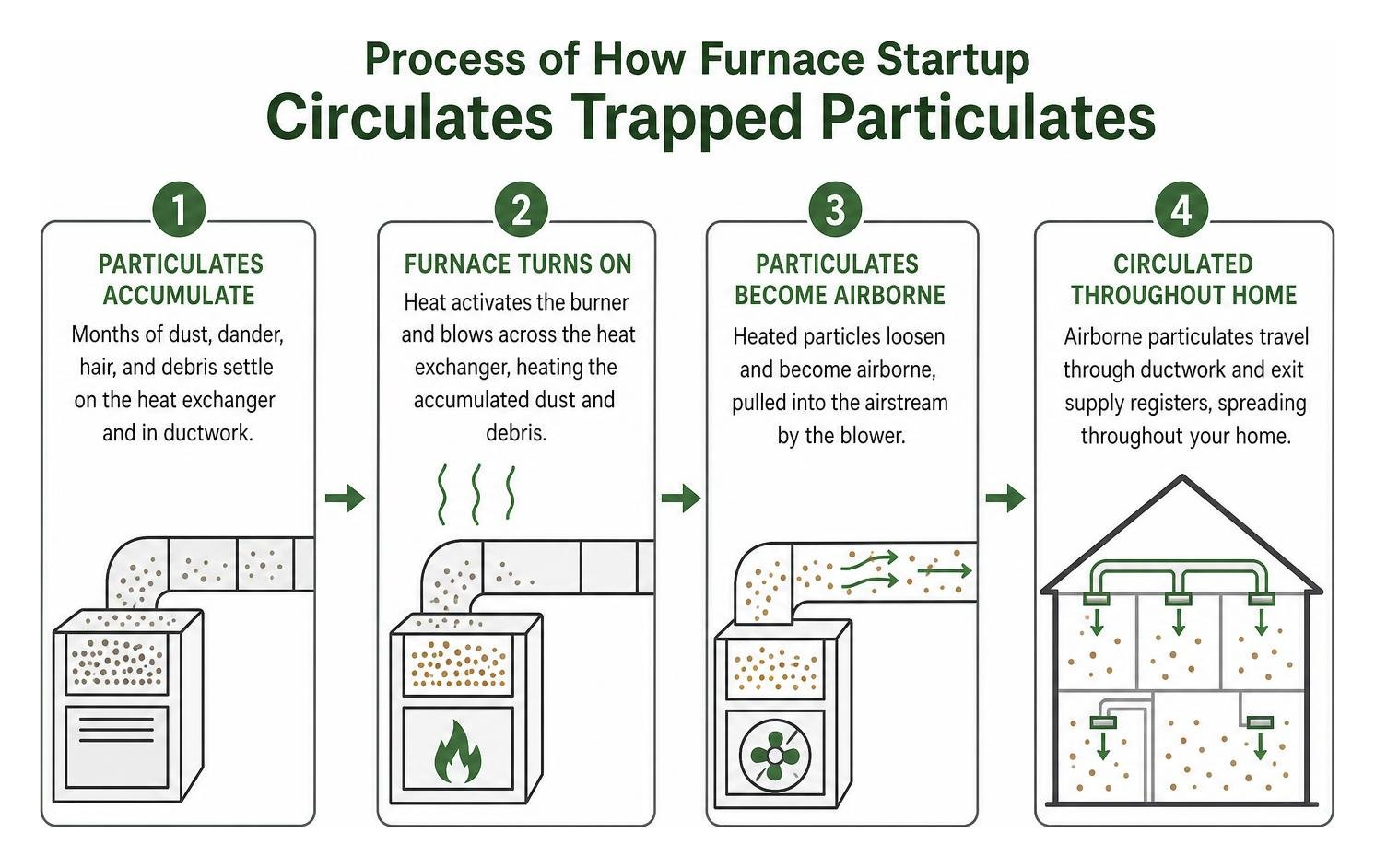
Furthermore, running your heating system steadily drops relative indoor humidity, drying out mucous membranes in your nose and throat. When your natural airway defenses dry out, your body becomes far more susceptible to airborne viruses, bacteria, and allergens. For these reasons, many local homeowners evaluate adding an air scrubber to your furnace before heating season to actively treat their airstream from day one.
Practical Steps to Improve Fall Air Quality Indoors
Taking control of your home’s air does not require an engineering degree. A combination of consistent housekeeping habits and smart mechanical maintenance can dramatically cut airborne particle counts.
1. Upgrade and Inspect Your HVAC Filters
Standard fiberglass filters only protect your furnace blower motor from large debris; they do almost nothing to clean the air you breathe. Consider upgrading to a pleated filter rated MERV 8 to MERV 11. These capture microscopic pet dander, mold spores, and pollen grains without choking off system airflow. Inspect your filter monthly during the heating season and replace it promptly when discolored. For an aging system with ongoing airflow problems, deciding whether to replace your AC and furnace at the same time can help you plan for dependable comfort.
2. Maintain Optimal Indoor Humidity
Keep your home’s relative humidity between 35% and 50%. Running a dehumidifier in damp basements prevents fall mold blooms, while adding controlled humidification once your furnace runs constantly helps keep your airways comfortable.
3. Clear Out Hidden Fire and Dust Hazards
Your clothes dryer collects significant lint within its exhaust line. When vents become partially obstructed, moisture, backdrafted dust, and exhaust particulates seep back into your laundry area and nearby rooms. Scheduling professional dryer vent cleaning eliminates hidden fire risks while keeping indoor air free from trapped moisture and lint particles.
4. Schedule a Seasonal HVAC Tune-Up
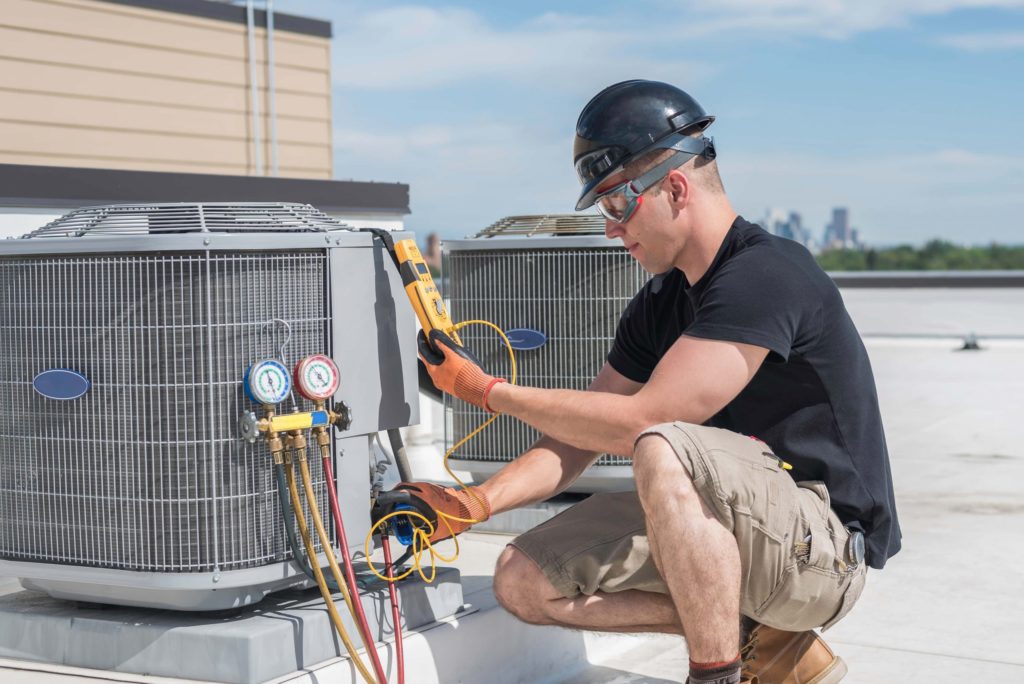
Before cold weather arrives, have a qualified technician inspect your furnace, heat exchanger, and ductwork. A seasonal tune-up removes accumulated debris, verifies proper airflow, and identifies small issues before they circulate contaminants through your living spaces. This preventive step is especially valuable in older Fredericksburg homes where aging duct networks can harbor years of settled dust. If the inspection uncovers a heating issue, timely furnace and AC repair in Fredericksburg VA can help restore dependable comfort and airflow.
Daily Habits to Minimize Airborne Contaminants
- Implement a strict shoes-off policy at entry doors to keep outdoor pesticides, road dirt, and pollen from getting ground into carpets.
- Run dedicated exhaust fans in kitchens while cooking and in bathrooms for at least twenty minutes after showering.
- Vacuum rugs and upholstered furniture at least twice weekly using a machine equipped with a sealed HEPA exhaust filter.
- Wash bed linens, pillowcases, and duvet covers weekly in hot water (at least 130°F) to eliminate dust mite populations.
- Keep interior doors slightly ajar to encourage balanced air distribution across all living zones.
- Wipe down window sills and baseboards monthly to remove condensation-related mold spores before they spread.
Advanced Whole-Home Air Purification Solutions
While everyday cleaning habits control surface dust, microscopic bioaerosols, volatile organic compounds (VOCs), and airborne pathogens float undisturbed through standard HVAC filters. Addressing these microscopic threats requires active whole-home intervention.
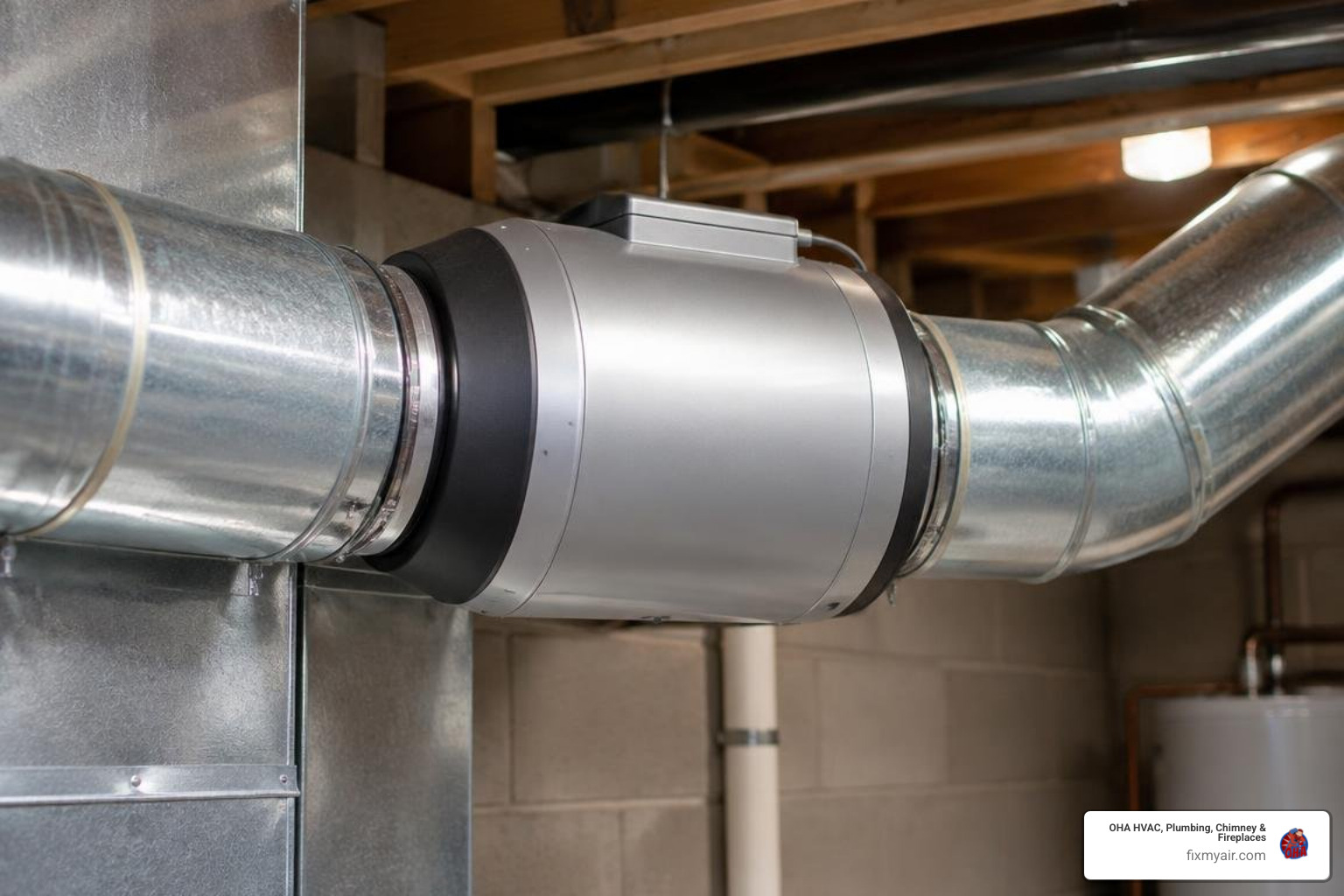
Unlike passive room air purifiers that wait for air to circulate through a standalone box, integrated air scrubbers mount directly into your central ductwork. When your system fan runs, these systems generate purifying ions and catalytic oxidizers that travel through every register into your living areas.
These active purifiers latch onto airborne dust, causing fine particles to clump together so your primary filter can trap them effortlessly. According to the manufacturer, the technology is also designed to reduce certain surface contaminants. Using advanced air scrubber by Aerus technology, your system is designed to reduce chemical odors, pet smells, and VOCs from household cleaning agents throughout every room of your home.
For households with allergy sufferers, pets, or residents managing respiratory conditions, whole-home purification provides continuous treatment that portable units cannot match. Because the technology works within your existing ductwork, it reaches every room without requiring additional floor space or noisy standalone devices.
Frequently Asked Questions About Fredericksburg Air Quality
How does autumn weather in Virginia affect residential indoor air?
Autumn brings sharp day-to-night temperature swings, elevated river valley humidity, and high concentrations of decaying organic matter and ragweed. As homeowners close their windows and activate central heating, these trapped pollutants circulate through tight living spaces, compounding indoor allergen levels.
Is radon testing necessary for homes in the Fredericksburg area?
Yes. Virginia soils contain deposits of natural uranium that decay into radioactive radon gas. Because radon enters through foundation pores and crawlspaces, testing your home, especially before winter when windows stay shut, is the only reliable way to confirm safe indoor levels. The Virginia Department of Health recommends testing all homes and provides guidance on interpreting results and arranging mitigation when levels are elevated.
What is the fastest way to eliminate indoor allergens this fall?
The fastest approach combines swapping your standard furnace filter for a fresh high-MERV pleated filter, vacuuming carpets with a true HEPA machine, and installing a whole-home active air purifier directly into your central HVAC system to treat airborne and surface irritants continuously.
How often should I replace my HVAC filter during fall and winter?
Inspect your filter monthly during heating season and replace it whenever it appears discolored or clogged. Homes with pets, multiple occupants, or ongoing renovation work may need more frequent replacements. A clean filter maintains proper airflow while capturing the fine particles that would otherwise recirculate through your living spaces.
Conclusion
Taking proactive steps to clean your indoor air this autumn creates a healthier, more comfortable home throughout the cold months ahead. By keeping humidity balanced, addressing dust accumulation, testing for hidden hazards like radon, and reinforcing your HVAC setup with advanced purification tools, your family can breathe easier all season long.
Whenever you need a hand tuning your furnace, inspecting ductwork, or installing active purification systems, our team at OHA HVAC, Plumbing, Chimney & Fireplaces is ready to serve. As a veteran-founded, family-run business with background-checked technicians, upfront pricing, and a 4.9-star average across more than 5,000 Google reviews, we deliver dependable workmanship around the clock. To discuss your home’s air-quality needs, contact our professional HVAC technicians to help keep your home warm, safe, and fresh this fall.
Need Help With HVAC, Plumbing, Chimney, or Fireplace Service?
OHA is available 24/7 across Fredericksburg, Fairfax, and Northern Virginia.